
Team development activities are exercises that practise a specific way of working together, such as making decisions, giving feedback or sharing out roles, and then test it while something is at stake. The best development days run in two halves: a working session that names the skill, and an activity that makes the team use it.
That shape needs a room that works as a meeting space in the morning and a place to do something in the afternoon. Our conference venue inside Thorpe Park is set up for exactly that: a day package with the AV for the sessions, lunch in the same building, and team activities on the add-ons list for the afternoon. This post covers the activities, the day and the follow-up that makes it stick.
Team building and team development are different days
The two get used as if they meant the same thing, and the difference decides how you plan.
| Team building | Team development | |
|---|---|---|
| The aim | People know and like each other more | People work together better on something specific |
| Success looks like | A good day, new conversations | A change you can see in the following month |
| The activity | Fun in itself | A test of what was discussed |
| What follows | Nothing needed | A debrief, an agreement, a check-in |
Neither one is the better choice in general. A new or newly merged team often needs building first, because development exercises go nowhere when people do not yet trust each other enough to be honest. A settled team with a problem, such as slow decisions or meetings where the same three people talk, is ready for development.
- Decisions stall — Items come back to the same meeting week after week because nobody is sure who decides. Practise decision rules.
- The same voices dominate — Three people do most of the talking and the rest send their views by email afterwards. Practise structured rounds and feedback.
- Work falls between people — Tasks get dropped at hand-overs, or two people do the same job. Practise planning and role clarity.
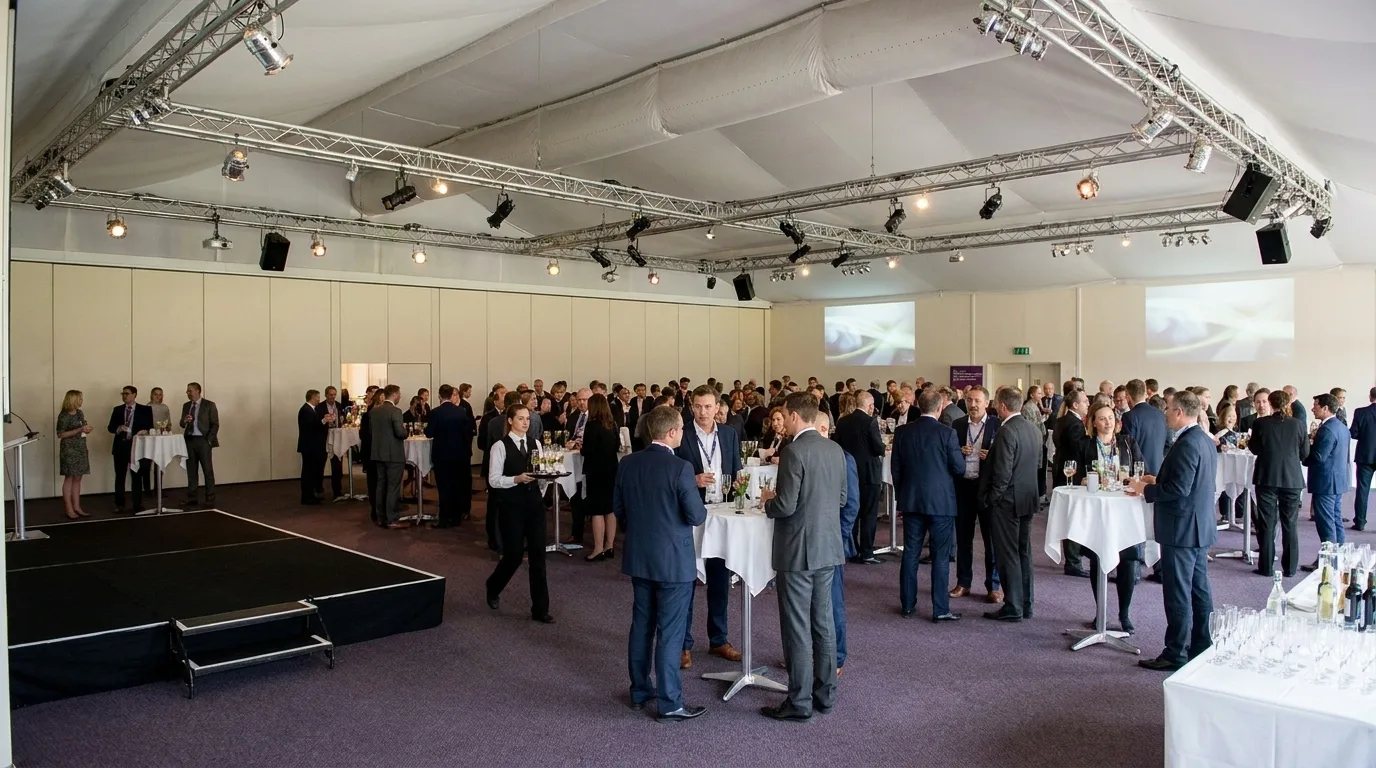
Team development activities that build teamwork
Each of these practises one thing. Choose the one that matches the problem you actually have, and resist doing all six in a day.
- The pre-mortem, for planning — Imagine the team's next big project has failed a year from now. Everyone writes down why, alone, for five minutes, then the team groups the reasons and picks three to prevent. It surfaces the worries people do not say in a normal meeting.
- Strengths swap, for trust — Each person writes one specific thing a colleague does well, with an example, and hands it over. Read in pairs, not to the room. It is quick, and it changes how people ask each other for help.
- The team charter, for ways of working — The team agrees five rules for how it works: how decisions are made, how fast messages get answered, what happens when someone disagrees. Written on one sheet and signed.
- Feedback in pairs, for honesty — A structured round: one thing to keep doing, one thing to try. Practised on low-stakes topics first, so the format is familiar before it matters.
- Decision review, for judgement — Take a real decision from the last six months and walk through it: what was known, who decided, what happened. Focus on the process, never the person.
- Role rotation, for leadership — In a timed group task, the leader changes every ten minutes and the previous leader may only observe. Everyone leads once, and everyone learns what it is like to hand over.
A development day in two halves
The Bronze and Silver Day Delegate packages give eight hours in the venue with a projector, mic and sound, super-fast Wi-Fi, unlimited tea and coffee and a working lunch. Silver adds a welcome breakfast and has a 100-guest minimum. A development day for one team fits inside Bronze; Silver suits a whole function. One way to use the hours:
| When | What | Why |
|---|---|---|
| Morning, first session | Name the problem and agree what good looks like | Everyone starts from the same picture |
| Morning, second session | One or two of the exercises above | Practise the skill in a safe setting |
| Lunch | The working lunch, teams mixed | Time to talk it over informally |
| Afternoon | A hosted activity with new rules from the morning | Use the skill under pressure |
| Late afternoon | Debrief and a written agreement | Turn the day into a change |
The sessions run in the Lakeside Hall, one open room with a removable stage and a screen on the same wall. The Hall does not divide, so if your morning needs separate breakout spaces, say so on the quote and we will tell you what is possible. The day packages are compared on our packages page.
Decide early who runs the sessions. The team's own manager knows the problems best but changes the room just by standing at the front; people are more guarded with the person who writes their review. A colleague from another department, or an outside trainer you bring with you, lets the manager take part as one member of the team, which is often the most useful thing a manager can do all day.
Making the activity test what was discussed
A hosted activity becomes development when you add rules that force the team to use the morning's skill. Two activities on our add-ons list suit this well.
- Chocolate rollercoaster making — An indoor team activity on our add-ons list. If the morning was about roles, assign them before the start and forbid swaps. If it was about decisions, require the team to agree each step before anyone starts on it.
- A scavenger hunt — Good for planning and delegation: the team has to split up, share out the list and keep each other informed. Where it runs on the day is something we confirm for your date.
- Appoint observers — One person per team plays no part and notes what happens: who speaks, who decides, when the plan changes. Their notes start the debrief.
The debrief is where development happens. Ask three questions in order: what happened, what does that tell us about how we work, and what will we do differently from Monday. Write the answers down before anyone leaves the room.
How long a team development session should be
These are planning assumptions, not rules.
- Sixty to ninety minutes per session — Long enough to go deep, short enough that attention holds. Break between sessions, even for ten minutes.
- Three working sessions at most — A fourth in the late afternoon gets polite nods and little else. Use that slot for the activity or the debrief.
- A full day for a real change — Half a day is enough to agree a charter. Practising a skill and testing it needs the whole day, which is what the eight hours in a day package are for.
Making it last after the day
The day is the start. Without follow-up, most of what was agreed fades within a few weeks, so build the follow-up before the day happens.
- One page, shared that week — The charter or the agreed actions, sent to everyone within two days, in the words the team used.
- A check-in at thirty days — Half an hour in a normal meeting: what has changed, what has slipped, what to adjust.
- A measure — Pick one sign of progress you can count, such as decisions closed per meeting or projects delivered on time, and look at it again at three months. If it has not moved, the next development day has its subject.
If a team day for the whole company is closer to what you need, our conference venue page covers the day packages for larger groups. An itemised written quote comes back within one working day, with the deposit and when the balance is due set out on it.
Questions people ask
What are team development activities?
Team development activities are exercises that practise one way of working together and then test it. Examples are a pre-mortem for planning, a strengths swap for trust, a team charter for ways of working, and role rotation for leadership. They work best followed by a hosted activity that makes the team use the skill.
What activities build teamwork?
Activities that make people depend on each other build teamwork. A timed group task where the leader changes every ten minutes, a scavenger hunt where the team must split up and share information, and a structured feedback round all do this. Pair any of them with a debrief so the lesson is spoken aloud.
How do you plan a team development day?
Start with the problem you want to solve, then plan the day in two halves. Use the morning to name the skill and practise it, and the afternoon for an activity with rules that test it. Finish with a debrief and a written agreement, and book a thirty-day check-in before the day happens.
What is the difference between team building and team development?
Team building helps people know and like each other; team development helps them work better together on something specific. Building is judged by the day itself, development by what changes in the weeks after. A new team often needs building first, because honest development work needs a level of trust.
How long should a team development session be?
Sixty to ninety minutes per session is a good planning assumption, with a break between each. Three working sessions is about the most a day can hold, so give the late afternoon to an activity or the debrief. A full day lets a team practise a skill and then test it.
Give your team a day somewhere different
Tell us what the team needs to get better at, how many are coming and when, and the development day comes back as one itemised quote.